What is slab leak water damage restoration?
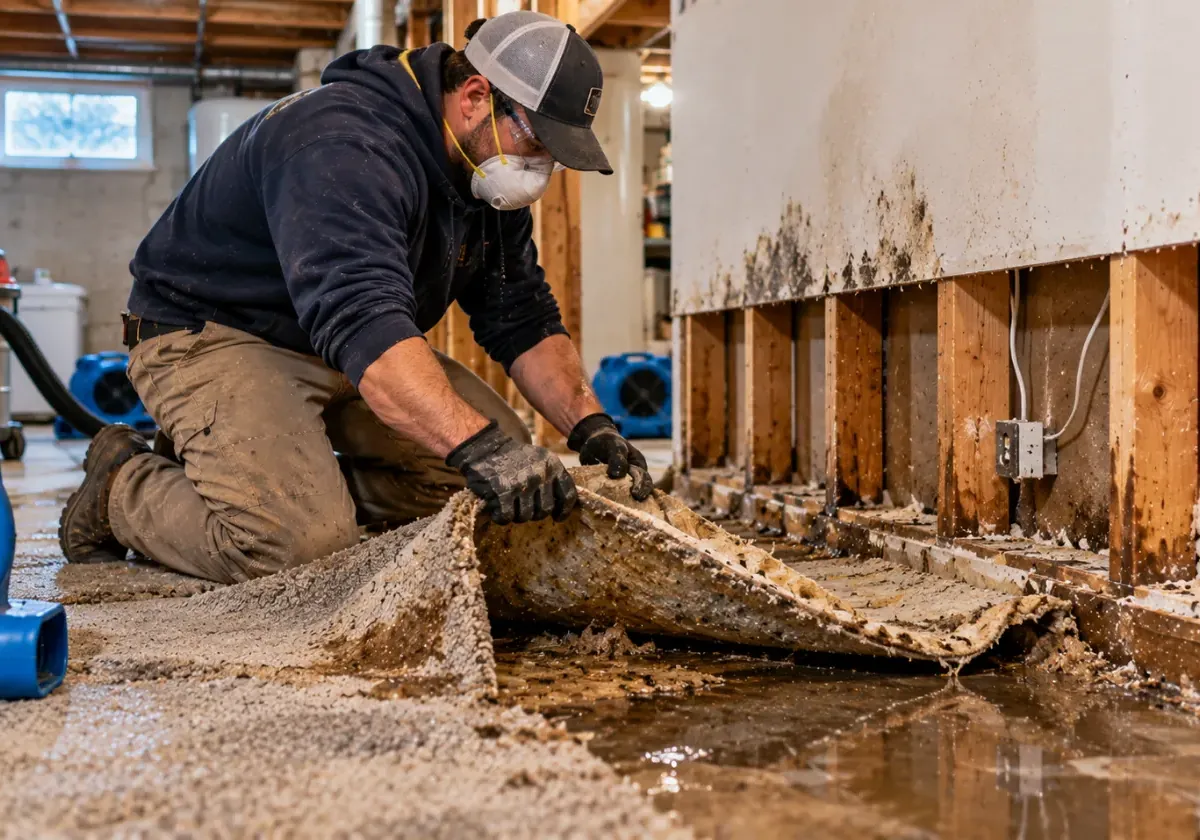
Slab leak water damage restoration is the cleanup and drying work done after a leak is fixed. Crews remove standing water, pull up soaked flooring and pads, dry the slab and walls with air movers and dehumidifiers, check for mold, and then rebuild. Drying should start within 24 to 48 hours.
The U.S. EPA advises drying water-damaged areas within 24 to 48 hours to help prevent mold. In Woburn, finished basements are common, and they're the rooms most likely to soak up water from a slab or floor leak. Carpet, pad, drywall and baseboards in these spaces trap moisture fast.
Signs you need water damage help
- Wet or squishy carpet, or carpet pad that stays damp.
- Hardwood that is cupping, buckling or lifting.
- Loose or hollow-sounding floor tiles.
- Stains or bubbling paint at the bottom of walls.
- Musty smells that don't go away.
- Any water from a sewer or drain line leak.
Think you have a slab leak?Call now to talk it through and get connected with a local Woburn plumber.
Call (781) 483-8802What are the steps of water damage restoration?
Restoration follows five steps: inspect and measure moisture, remove water, remove materials that can't be saved, dry the structure with commercial equipment while monitoring moisture daily, then clean, sanitize and rebuild. Many restoration pros follow IICRC standards for water damage work.
- Inspect. Moisture meters and thermal cameras map how far water spread.
- Extract. Pumps and wet vacs remove standing water.
- Remove. Wet carpet pad, swollen baseboards and soaked drywall are cut out as needed.
- Dry. Air movers and dehumidifiers run, often for 3 to 5 days, with daily readings.
- Clean and treat. Surfaces are cleaned and treated to limit mold and odors.
- Restore. New drywall, paint, baseboards and flooring go back in.
Clean water vs. sewage water
| Water type | Source | What it means |
|---|---|---|
| Clean water | Supply line leak (hot or cold) | Many materials can be dried and saved if work starts fast |
| Gray water | Clean water that sat for days, or washer and dishwasher drains | More materials need removal, cleaning is required |
| Black water | Sewer or drain line leaks | Porous materials usually must be removed, protective gear needed |
How much does water damage restoration cost?
Costs depend on how much area is wet, the type of water, and what must be replaced. Drying a small area costs far less than rebuilding a finished basement. If mold has started, national cost guides put mold remediation at about $1,500 to $6,000 for an average job. Get a written estimate and share it with your insurer.
- Square footage affected
- Clean water vs. sewage
- Days of drying equipment
- Flooring and drywall replacement
- Mold testing and removal
Water running where it shouldn't?Call any time, day or night. Every hour of leaking adds to the damage.
Call (781) 483-8802When is water damage an emergency?
Any time water is standing on the floor, or sewage is involved, act the same day. First, make sure the leak itself is stopped with emergency slab leak repair. Then start drying. Each day of delay raises the chance of mold and the amount that has to be torn out.
Working with insurance
- Photograph damage before anything is removed.
- Call your insurer early and get a claim number.
- Keep moisture readings and drying logs from the restoration crew.
- Save damaged material samples if your adjuster asks.
- Keep all invoices for the leak detection, repair and cleanup.
Mold and finished basements
Finished basements hold on to moisture. Carpet pad, the bottom of drywall, and wood framing on the floor can all stay damp long after the surface looks dry. That hidden moisture is where mold starts.
- Ask the crew to check moisture inside walls, not just on the surface.
- Cut drywall above the wet line so framing can dry.
- Run a dehumidifier after drying to keep humidity below about 50 percent.
- Watch for musty smells over the following weeks.
Related slab leak services
 24/7 response
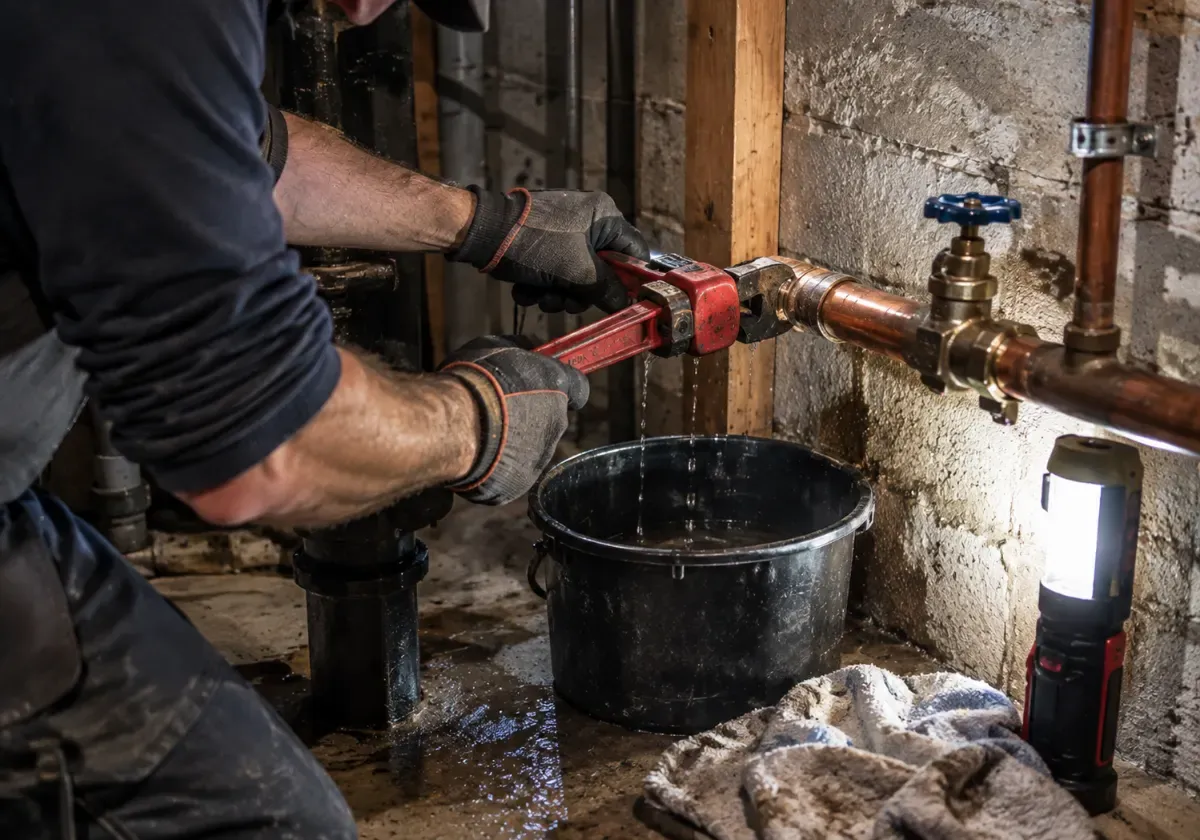
Emergency Slab Leak Repair
Water coming through the floor? Get help any hour, day or night.
Explore →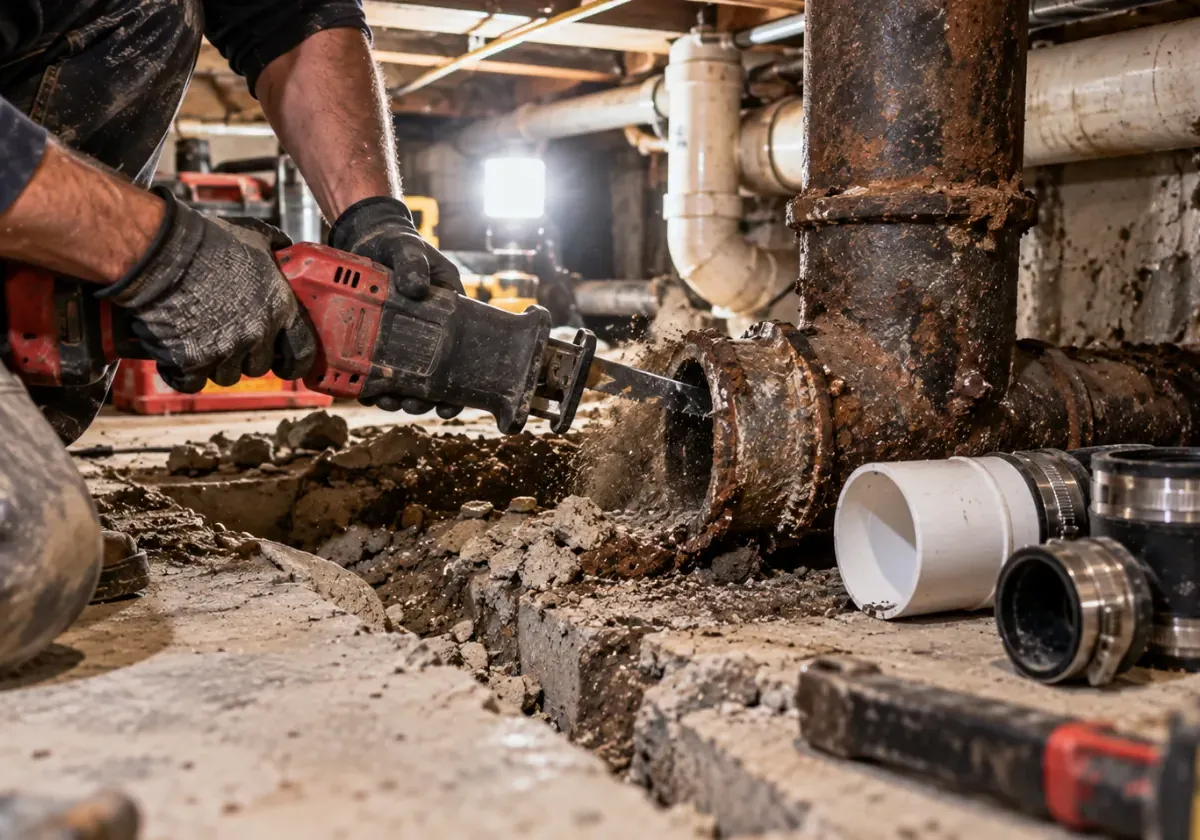 Drain lines
Sewer Line Slab Leak Repair
Fix cracked drain lines under basement and slab floors.
Explore →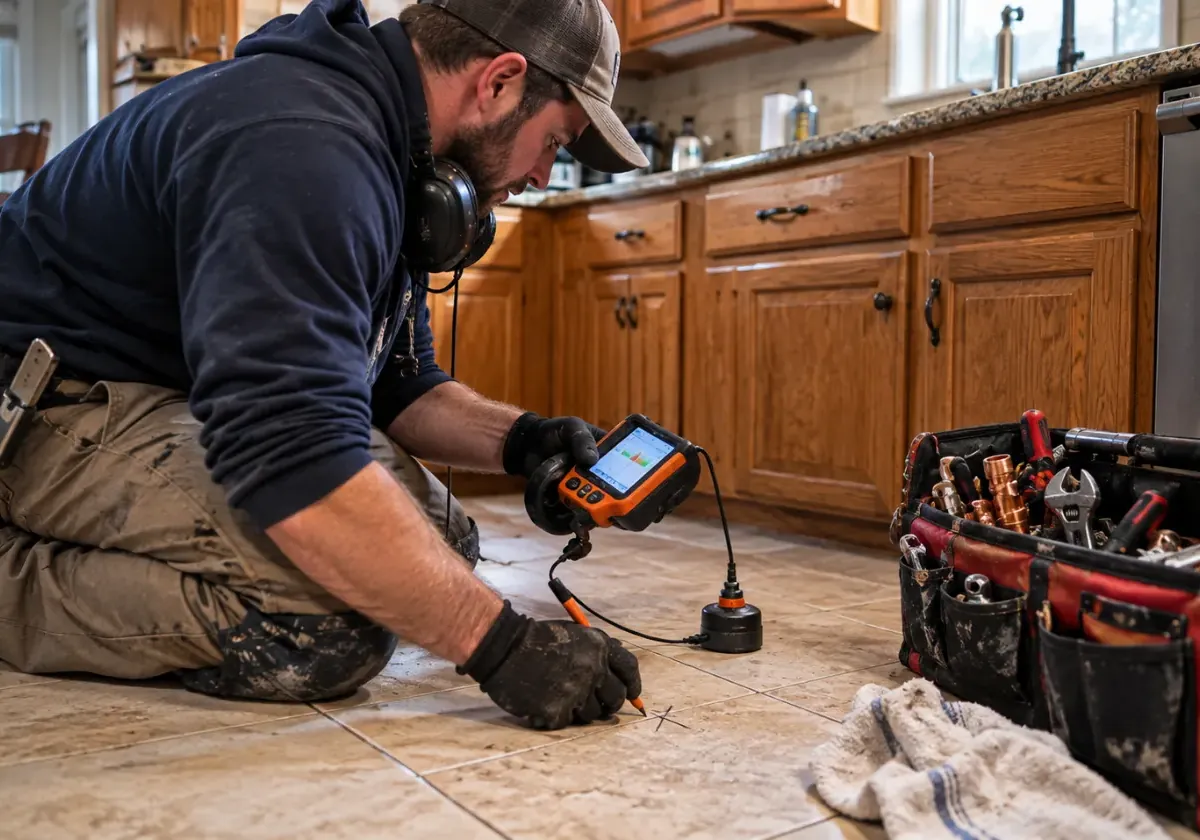 Most requested
Slab Leak Detection
Pinpoint hidden leaks under concrete with pressure, acoustic and thermal testing.
Explore →Water Damage Restoration across Woburn, MA
We connect homeowners and property owners across Woburn, MA 01801 with local pros for water damage restoration, including Downtown Woburn, North Woburn, East Woburn, Walnut Hill and Cummingsville. See all Woburn service areas.
Water Damage Restoration FAQs
How long does it take to dry out after a slab leak?
Most drying takes 3 to 5 days with commercial equipment. Concrete slabs and thick materials can take longer. Crews measure moisture daily to know when it's dry.
Can wet carpet be saved?
Carpet soaked by clean water can sometimes be dried and saved if work starts quickly. The pad under it is usually replaced. Carpet soaked by sewage should be thrown out.
How soon can mold grow after a leak?
Mold can start growing within 24 to 48 hours on damp materials, which is why fast drying matters.
Does insurance cover water damage from a slab leak?
Many policies cover sudden water damage, but not gradual leaks or the pipe repair itself. Check your policy and call your insurer early.
Get a free estimate from a local proOne call connects you with a slab leak specialist near you.
Call (781) 483-8802