What is slab leak detection?
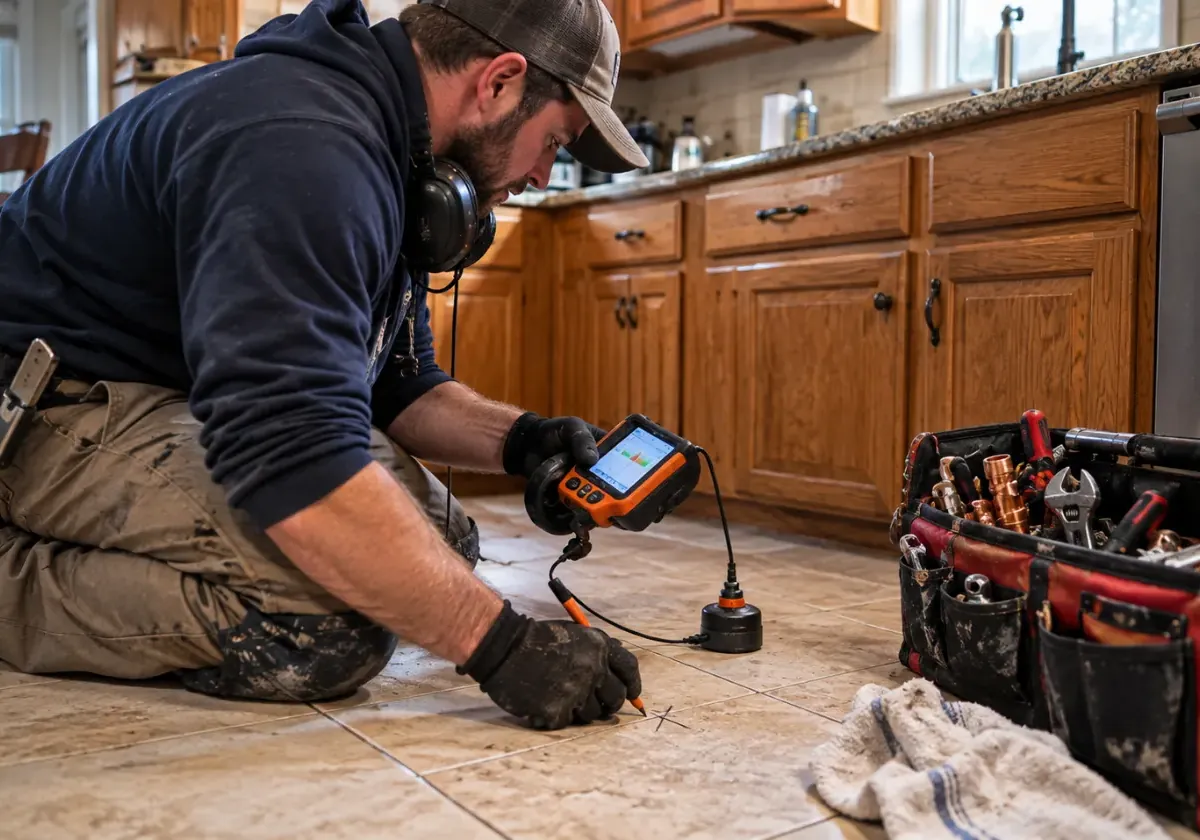
Slab leak detection is how a plumber finds a leaking pipe under a concrete floor without breaking the concrete first. The plumber confirms a leak with a meter or pressure test, then uses listening devices, thermal cameras and pipe locators to mark the leak to within a foot or two. Only then is any concrete opened.
In Woburn, most older homes sit on basements, but slab leaks still happen. Water and drain lines often run under the basement floor slab. Ranch homes, additions, sunrooms, finished garages and many condos are built slab-on-grade. When a pipe fails under any of these floors, accurate detection saves you from paying to break up concrete in the wrong spot.
Signs you need slab leak detection
- Your water bill jumps and your water use hasn't changed.
- You hear water running when every tap is off.
- A warm or hot spot on the floor, often in a kitchen, bathroom or basement.
- Damp carpet, cupped hardwood, or loose floor tiles.
- Musty smells or mildew along baseboards.
- Cracks in the floor or walls that seem new.
- Low water pressure at several fixtures at once.
- Your water heater runs far more than usual.
Try the water meter test first
Turn off every faucet, appliance and outside hose. Write down the meter reading or snap a photo. Wait 1 to 2 hours without using any water, then check again. If the numbers moved, water is leaking somewhere. A plumber can then find out if it's under the slab.
Think you have a slab leak?Call now to talk it through and get connected with a local Woburn plumber.
Call (781) 483-8802How does a plumber find a leak under concrete?
A plumber finds a leak under concrete in stages. First they confirm a leak and isolate which line is failing: hot, cold, or drain. Next they trace where that pipe runs under the floor. Finally they use acoustic sensors or thermal imaging to find the loudest or warmest point, which marks the leak.
- Confirm the leak. A meter check and a pressure test on the water lines show whether water is escaping and how fast.
- Isolate the line. The plumber shuts valves to test hot and cold lines one at a time. Drain lines get a separate test.
- Trace the pipe path. An electronic pipe locator shows where the line runs under the floor, so the search area gets small.
- Pinpoint the spot. Ground microphones pick up the hiss of escaping water. Thermal cameras show heat from hot water leaks.
- Mark and explain. The plumber marks the floor and walks you through repair options before anything is cut.
Slab leak detection methods compared
| Method | What it does | Best for |
|---|---|---|
| Pressure test | Pressurizes a closed line and watches a gauge for drops | Confirming a supply line leak |
| Acoustic listening | Amplifies the sound of water escaping through the slab | Pinpointing most pressurized leaks |
| Thermal imaging | Shows warm areas on the floor surface | Hot water line leaks |
| Electronic line locating | Traces the route of pipes under the floor | Narrowing the search area |
| Camera inspection | Sends a small camera through drain pipes | Cracked or broken drain lines |
| Hydrostatic test | Plugs the drain and fills it with water to check for drops | Leaks in sewer and drain lines |
How much does slab leak detection cost?
Slab leak detection usually costs about $150 to $400 across the U.S., based on 2026 national cost guides. Prices in the Greater Boston area can run higher. Your final price depends on how many lines need testing, how hard the leak is to find, and whether the visit is after hours.
Things that raise or lower the cost:
- Number of lines tested. Checking hot, cold and drain lines takes longer than one line.
- Floor coverings. Thick carpet and tile can muffle sound and slow the search.
- Emergency timing. Nights, weekends and holidays often cost more.
- Drain testing. Camera and hydrostatic tests are separate from supply line testing.
Some plumbers credit the detection fee toward the repair. Ask about this when you call.
Water running where it shouldn't?Call any time, day or night. Every hour of leaking adds to the damage.
Call (781) 483-8802When is a slab leak an emergency?
Call right away if water is pooling on the floor, the floor feels hot, you smell sewage, or your meter spins fast with everything off. A hot water leak can also run up your energy bill and wear out your water heater. If water is coming up through the floor, shut off the main valve first. In most Woburn homes it sits in the basement where the water line enters the house, near the meter. For urgent problems, see our emergency slab leak repair page.
What happens after the leak is found?
Once the leak is marked, you choose how to fix it. The main choices are a direct access spot repair through the floor, a pipe reroute that skips the old line, or epoxy pipe lining in some cases. If the pipes are old and have leaked more than once, whole-home repiping may cost less over time.
Related slab leak services
 Fast fix
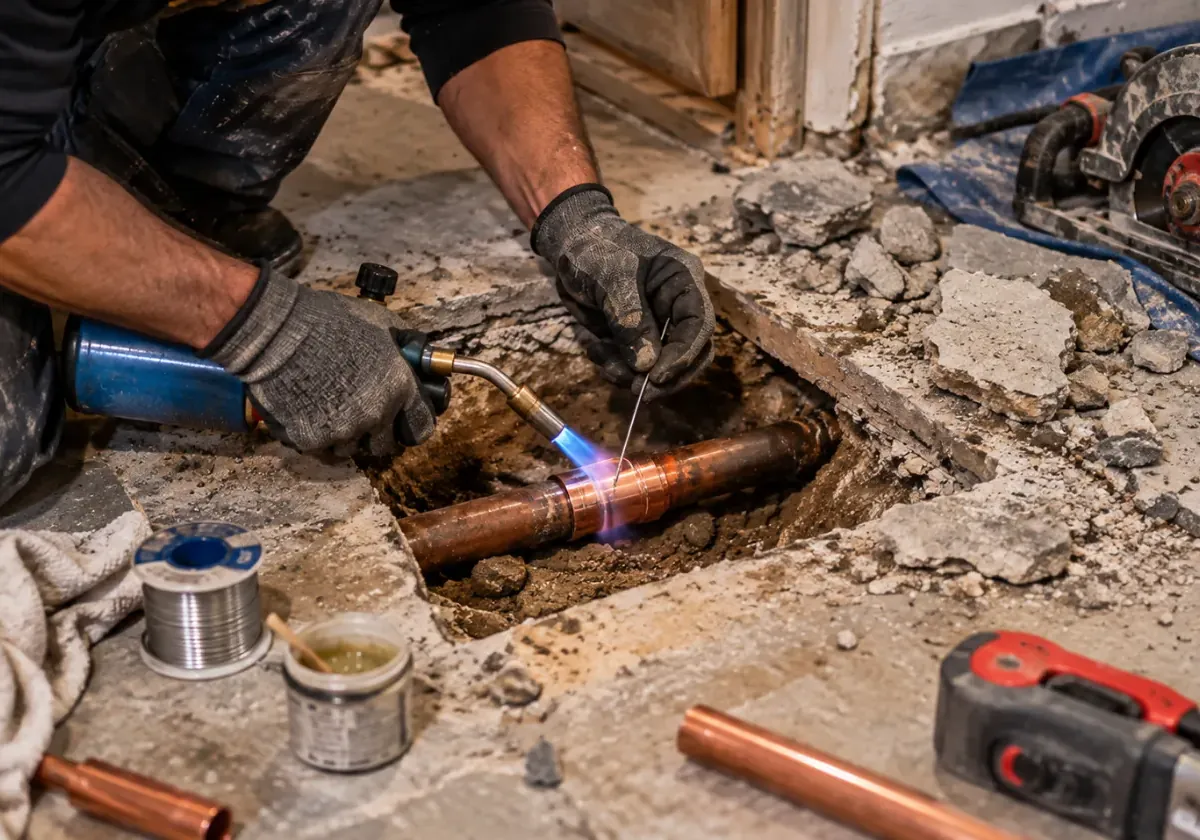
Direct Access Spot Repair
Open a small section of floor, fix the pipe and patch the concrete.
Explore →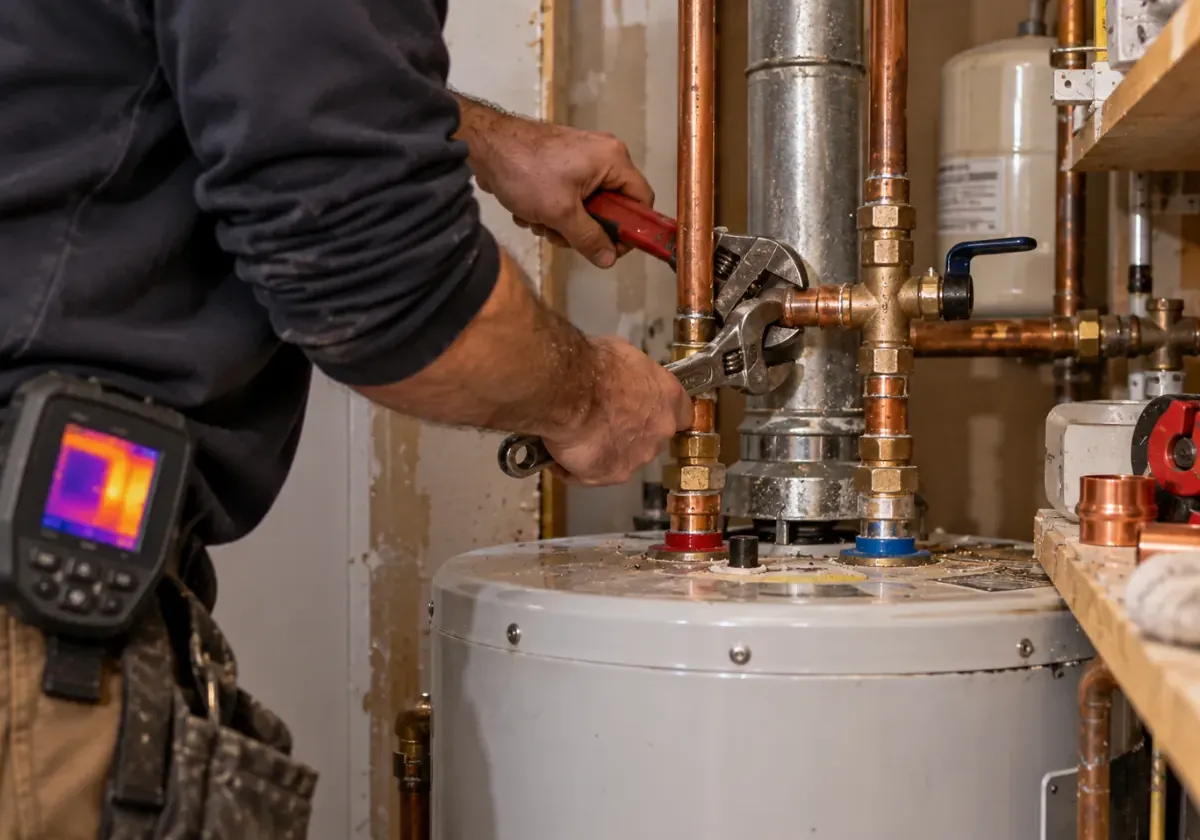 Warm floors
Hot Water Slab Leak Repair
Warm floors and a nonstop water heater point to a hot line leak.
Explore →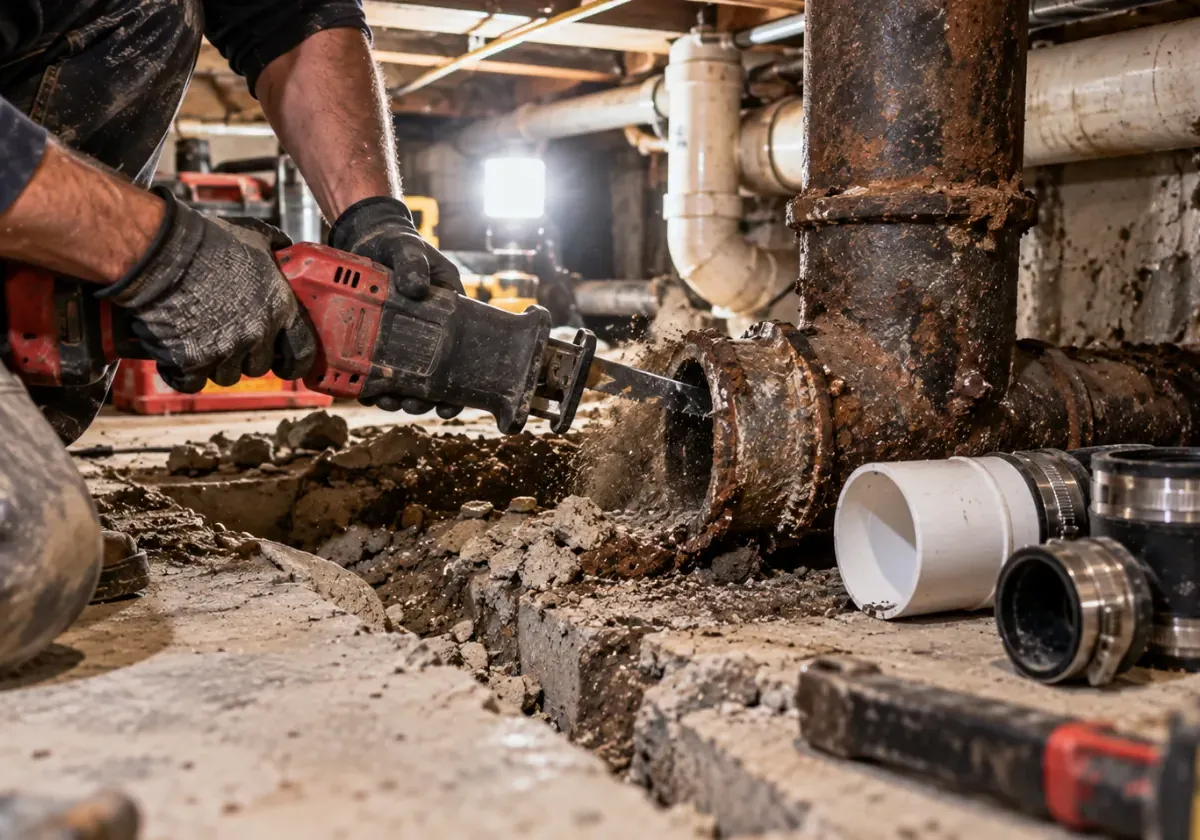 Drain lines
Sewer Line Slab Leak Repair
Fix cracked drain lines under basement and slab floors.
Explore →Slab Leak Detection across Woburn, MA
We connect homeowners and property owners across Woburn, MA 01801 with local pros for slab leak detection, including Downtown Woburn, North Woburn, East Woburn, Walnut Hill and Cummingsville. See all Woburn service areas.
Slab Leak Detection FAQs
Can a slab leak be found without breaking the floor?
Yes. Most slab leaks can be pinpointed with pressure tests, listening equipment and thermal cameras before any concrete is opened. The floor is only cut at the marked spot, and only if you choose a direct access repair.
How long does slab leak detection take?
Most detection visits take 1 to 3 hours. Leaks under thick flooring, or homes with several suspect lines, can take longer.
Can I find a slab leak myself?
You can confirm a leak with the water meter test and look for warm spots or damp flooring. Pinpointing the exact spot under concrete takes professional equipment.
Does homeowners insurance pay for leak detection?
Some policies pay to find and access a leak, but not to replace the pipe itself. Coverage varies a lot, so read your policy or call your insurer before work starts.
What causes slab leaks?
Common causes are corrosion in older copper pipe, pipes rubbing against concrete or gravel, high water pressure, poor original installation, and ground movement from freeze-thaw cycles and wet seasons.
Get a free estimate from a local proOne call connects you with a slab leak specialist near you.
Call (781) 483-8802